Grand Rapids Drivers: Can Low Oil Make Your Car Shake?
The engine oil level is low enough to be a contributing factor to vehicle shake and/or vibration.
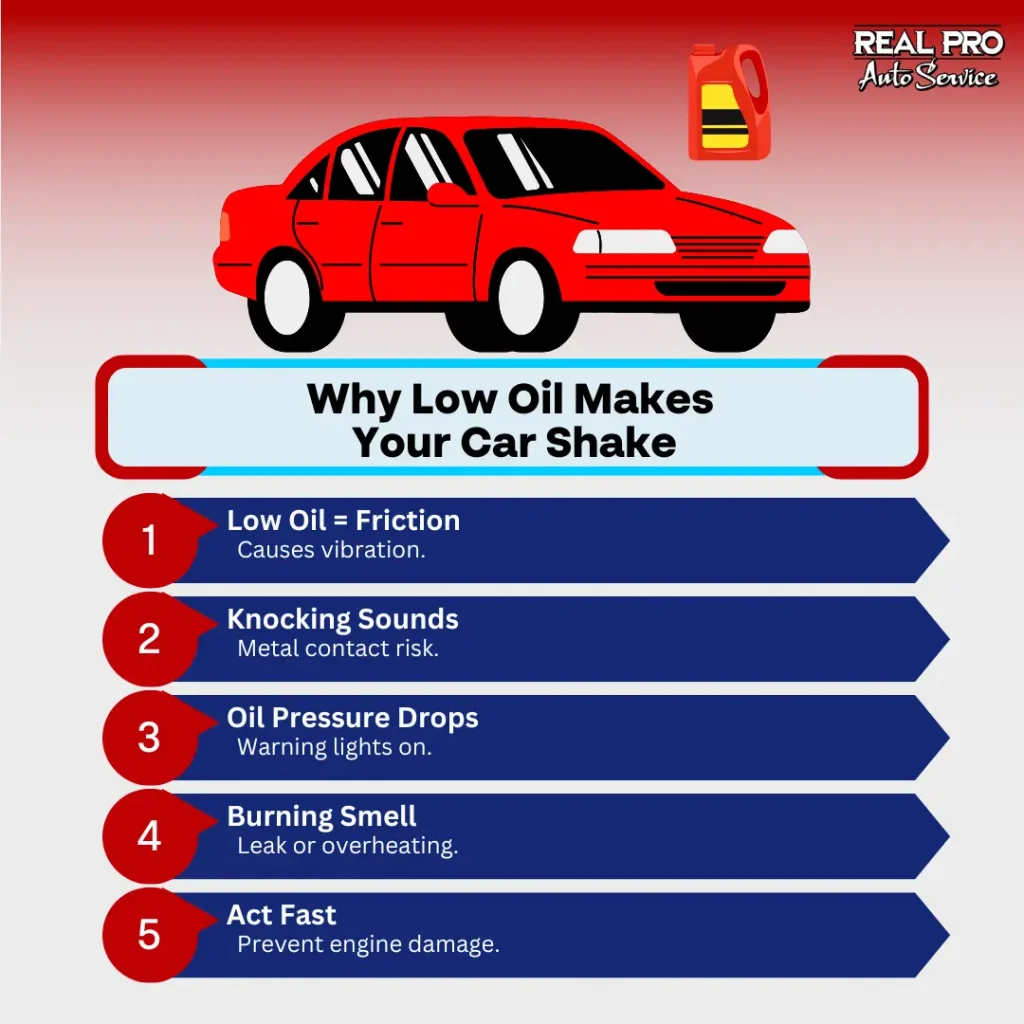
Yes, low engine oil can cause your car to shake by reducing lubrication and oil pressure, which increases friction between internal engine parts and leads to vibration, knocking, and rough idle. Check your oil level with the dipstick right away, top it off with the correct oil if it’s low, and schedule an ASE-certified inspection if shaking, noises, or warning lights continue.
Understanding how low engine oil affects your vehicle’s operation allows you to determine if you need a simple “top off” of the engine oil or if you require a professional diagnosis. A lower oil level will reduce the lubricating film strength between moving parts in your engine.
Engine oil that is too low typically causes “shaking” by reducing the lubricating effect and oil pressure; this means that the bearings, pistons, and many of the moving components in an engine are subject to much greater friction and movement than they were designed for.
The sequence of how low engine oil relates to all the other issues involved is:
There are some common causes of engine vibration unrelated to engine oil that should be considered as part of the diagnostic process to ensure the engine owner does not spend time or money unnecessarily fixing their engine due to incorrect assumptions about the cause of the problem.
Below is a short list of typical oil-related causes and those that may appear similar but are actually not related to low oil.
This breakdown clarifies the primary oil mechanisms and sets the stage for a closer examination of the mechanical steps that create vibration, which is presented below.
An engine oil level too low causes an engine to vibrate due to measurable mechanical failure: decreased lubrication film strength exposes bearings and crank journals to greater friction, and decreased oil pressure makes it difficult for the oil pump to provide lubrication to critical galleries.
In simple terms:
Engine oil too low → Increased friction → Engine vibration and noise
This can show up as:
Example scenario:
A car with a slow oil leak is regularly driven without the oil level being checked. The driver notices shaking at idle, a tapping or ticking noise, and an oil pressure warning that flickers under acceleration. In this situation:
Prompt action can reduce the risk of permanent bearing damage or more severe engine failure.
These mechanics naturally lead to a comparison with other engine issues that may cause similar shaking symptoms, explaining why a proper differential diagnosis is crucial.
Many other engine-related issues can create an engine shake that may be confused with oil-related engine vibration; therefore, it is essential to identify the correct source of the vibration before beginning any engine repairs.
Common non-oil-related causes include:
Correctly identifying where you feel the shake (steering wheel, seat, whole car, under the hood) and when it happens (idle, highway, braking, turning) helps determine whether the problem is lubrication-related or something else.
Hence, the next section will describe the most specific symptoms that point toward low oil as the probable cause and how to prioritize action.
Low engine oil usually doesn’t show up as just a single symptom. Instead, it appears as a cluster of clues that point towards lubrication problems rather than purely ignition, suspension, or tire issues.
Typical signs of a low oil condition include:
When you notice vibration along with oil-related clues, that’s your signal to act quickly.
For quick reference, here are the most telling signs of low oil and what each suggests:
These symptoms vary in urgency, and the next table maps each symptom to what it typically indicates and recommended immediate actions for triage.
Different symptoms require different immediacy of action, which leads into guidance on recognizing sounds and warnings in practical terms.
| Symptom | What It May Indicate | Urgency | Immediate Steps |
| Shaking while idling | Possible low lubrication bearing wear or piston slap | High | Check oil level, avoid heavy driving, schedule inspection |
| Knocking/Ticking Noise | Metal-to-metal contact or oil starvation in valve train | High | Check the oil, try to locate the source of noise. If this continues, have your vehicle diagnosed |
| Oil Pressure Light | Sensor/pump failure or low oil pressure | Critical | Drive safely, turn off the engine, check the oil, Have a tow arranged as soon as possible if the light is on |
| Smoke/Burn Smell | Internal burning or Oil Leaking onto Hot Components | Critical | Turn Off Engine, Check for Visible Leaks, Seek Immediate Help. |
Correctly interpreting sounds, warning lights, and smells can mean the difference between a minor fix and a major engine failure.
Ticking:
Knocking:
Oil pressure light (steady or flashing):
Check engine light:
If you notice smoke, strong odors, or excess vibration along with any of these indicators, shut off the engine as soon as it’s safe and arrange an inspection or tow to prevent further damage.
Understanding these cues prepares owners to assess whether shaking indicates imminent severe damage, which is the next issue we explore.
Shaking becomes a red flag for serious internal damage when it is combined with:
These signs suggest that the engine has gone beyond simple lubrication issues into potential:
If your vehicle struggles to idle, overheats quickly, or loses power under light load, stop driving and have it towed. Continuing to drive can turn a repairable problem into a complete engine failure.
Recognizing red flags sets the stage for the next prevention strategy, which involves how regular oil changes and selecting the correct oil reduce the likelihood that shaking will ever become a crisis.
Regular oil changes are one of the simplest and most effective ways to prevent vibration and long-term engine damage. Fresh oil:
In short:
Reliable oil maintenance → Consistent lubrication + heat control → Less wear and fewer shake-related issues
Establishing reliable oil change intervals and comparing oil types is the main way to ensure the root cause of these problems is mitigated and that your engine lasts longer than expected.
The following comparison table illustrates how common oil types compare when it comes to the key attributes that are important to minimizing the problems of shaking and engine wear.
Different oil types offer trade-offs in viscosity stability, protection against friction, and change interval expectations, which helps owners choose the right maintenance approach.
| Oil Type | Key Attribute | Protection Against Friction/Heat |
| Synthetic motor oil | High viscosity stability and low volatility | Excellent protection under heat and for extended intervals |
| Conventional motor oil | Economical, baseline protection | Adequate for standard use but shorter interval protection |
| Semi-synthetic oil | Blend of synthetic and conventional | Improved protection over conventional with moderate cost |
| High-mileage oil | Formulated for older engines and seal conditioning | Helps reduce leaks and maintains pressure in worn engines |
This comparison clarifies why synthetic oils are often recommended, as they provide stability and protection that reduce the chance of shake-inducing wear.
It also leads into recommended check/change schedules to implement these protections.
Before recommending services, it’s useful to consider a practical preventive checklist owners can use to minimize risk.
Following this checklist keeps lubrication effective and lowers the chance that low oil will cause shaking, and it creates a natural opportunity to mention accessible service options for busy drivers.
The ASE-certified technicians at Real Pro Auto Service are prepared to perform an oil change in grand rapids Michigan, and assist with diagnosing problems associated with the vehicle’s oil system. We can assist you in determining the correct oil type and schedule for your vehicle.
Using the right oil for your vehicle and keeping it fresh also helps to prevent excessive friction between moving parts and ultimately will stop the progression of mild vibration to potentially serious engine damage, which leads to the next section on how often to check and change oil.
To minimize vibration and wear, the best oil is the one that:
Synthetic oil offers the most stable protection against viscosity breakdown and heat, helping shield bearings and pistons from friction that could contribute to shaking.
Semi-synthetic blends provide a good middle ground, better protection than conventional oil, with lower cost than full synthetic.
High-mileage oils are formulated for older engines and contain seal conditioners that can help reduce small leaks and keep oil pressure more consistent.
The owner’s manual for their vehicle should be referenced when deciding what type of oil to use, as well as to ask a professional mechanic for guidance if they are unsure about what to select to achieve the best protection for their engine while considering both the cost and the recommendations made by the manufacturer.
How Often Should You Check and Change Your Engine Oil?
A conservative rule is to:
Severe conditions include:
Most modern vehicles using synthetic oil can safely go longer between changes, but real-world decisions should also consider:
Scheduling routine oil changes and inspections at our Grand Rapids location will reduce the risk of a low oil level causing your car to shake and provide you with the opportunity to have problems diagnosed by a technician (leaks, excessive pressure, etc.) before they become major issues.
The habits established above create the criteria for when DIY checks are inadequate and professional diagnostics are necessary.
When to Seek Professional Engine Diagnostics for Car Shaking?
DIY checks are helpful, but there are clear situations where you should call in an ASE-certified technician.
Consider professional diagnostics when:
A professional diagnostic process may include:
Below is a practical list of diagnostic triggers that indicate it’s time to book a professional inspection.
These triggers explain when DIY measures are insufficient and why certified diagnostics add value, which prompts a closer look at the diagnostic steps technicians perform.
| Diagnostic Service | Expected Outcome | Warranty/Time Notes |
| Visual and leak inspection | Identify external leaks, loose components, or oil consumption sources | Short inspection time, may be covered under warranty if linked to repair |
| Oil pressure test | Confirms true oil pressure vs. sensor error | Determines pump/sensor needs; documentation helps warranty claims |
| Engine code read & misfire analysis | Detects ignition or fuel faults that mimic shaking | Rapid identification of non-oil causes |
| Compression or leak-down test | Assesses internal wear like piston/cylinder and bearings | Reveals severity and repair timelines for engine work |
This table shows what diagnostics deliver and how they inform repair decisions and warranties, leading directly to how ASE-certified technicians typically conduct these evaluations.
How Do ASE-Certified Technicians Diagnose Low Oil-Related Engine Problems?
ASE-certified technicians use a structured, step-by-step approach to determine whether low oil is the cause of vibration or just one of several symptoms.
Typical steps include:
By working systematically, ASE-certified techs can separate problems caused by low oil from issues that merely appear at the same time, and they can provide detailed documentation for repairs or warranty claims.
Understanding how ASE-certified techs go about diagnosing their vehicles helps customers understand what they should expect from an inspection when they schedule one, and thus leads to a description of the types of services available to them locally.
At Real Pro Auto Service, our auto repair shop‘s services include addressing both oil-related and non-oil-related causes of shaking, including:
Our ASE-certified technicians can:
We stand behind qualifying repairs with a 2-year / 24,000-mile warranty and offer:
The service options and guarantees offered by Real Pro Auto Service will allow local drivers to move from identifying symptoms of a problem to having secure, warranty-backed repairs and preventive maintenance completed.
it is advisable to check your oil regularly and perform maintenance at more frequent intervals than recommended.
Real Pro Auto Service supports drivers in Grand Rapids, with both expertise and convenience.
We offer:
Our affiliations with NAPA AutoCare Center and AAA Approved Auto Repair provide additional confidence that your lubrication and engine concerns will be addressed correctly and on time—reducing the chance that low oil levels will ever lead to severe shaking or engine damage.
The convenience of the services provided by Real Pro Auto Service and the certifications of our organization’s technicians will help to ensure that oil checks and diagnostics are completed promptly, thus eliminating the opportunity for low oil levels to cause engine damage, such as excessive engine vibration or severe engine damage.
1. What Are the Signs of Low Engine Oil?
Common signs include:
Quick screening steps:
If you have more than one low-oil symptom, or the oil pressure light stays on after topping off, have your vehicle inspected by a mechanic as soon as possible.
2. Can Low Oil Damage My Engine Permanently?
Yes, if low oil is severe or prolonged, it can cause irreversible engine damage, including:
Short, one-time low-oil events that are corrected quickly usually don’t cause major damage. However, repeated knocking, metal particles in the oil, or ongoing low-pressure warnings indicate significant wear and warrant diagnostic testing.
When in doubt, documented diagnostics and oil analysis will help determine the extent of the problem and whether repair, rebuild, or replacement makes the most sense.
The risk of causing irreparable damage to an engine supports the importance of performing regular preventive maintenance and conducting early diagnostic tests.
3. How Can I Check My Car’s Oil Level?
To check your oil safely:
If the level is low, add the correct viscosity oil, then monitor use over the next week or two.If the oil consistently runs low or looks abnormal, schedule a professional inspection. Simply topping off won’t fix underlying leaks or internal problems.
The engine oil level is low enough to be a contributing factor to vehicle shake and/or vibration.

You should replace your car’s alternator if you notice dimming headlights, weird noises under the hood, dashboard warning lights, or if your battery keeps dying.
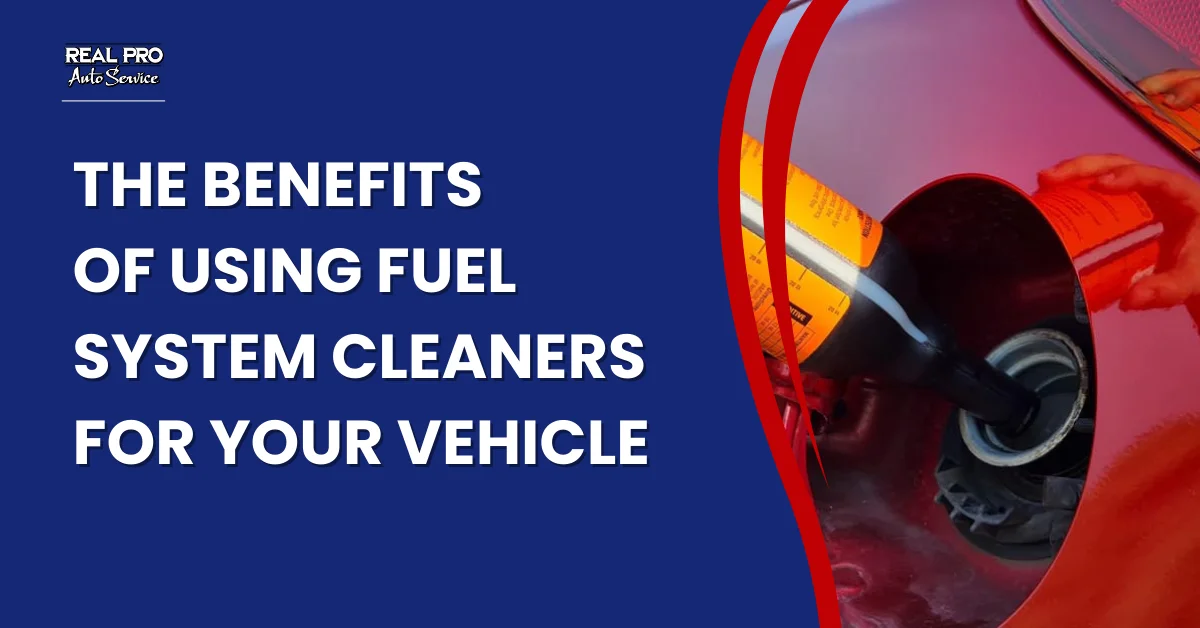
Using fuel system cleaners can greatly boost your vehicle’s performance. These products help remove harmful deposits, improve fuel efficiency and restore lost power to your engine.
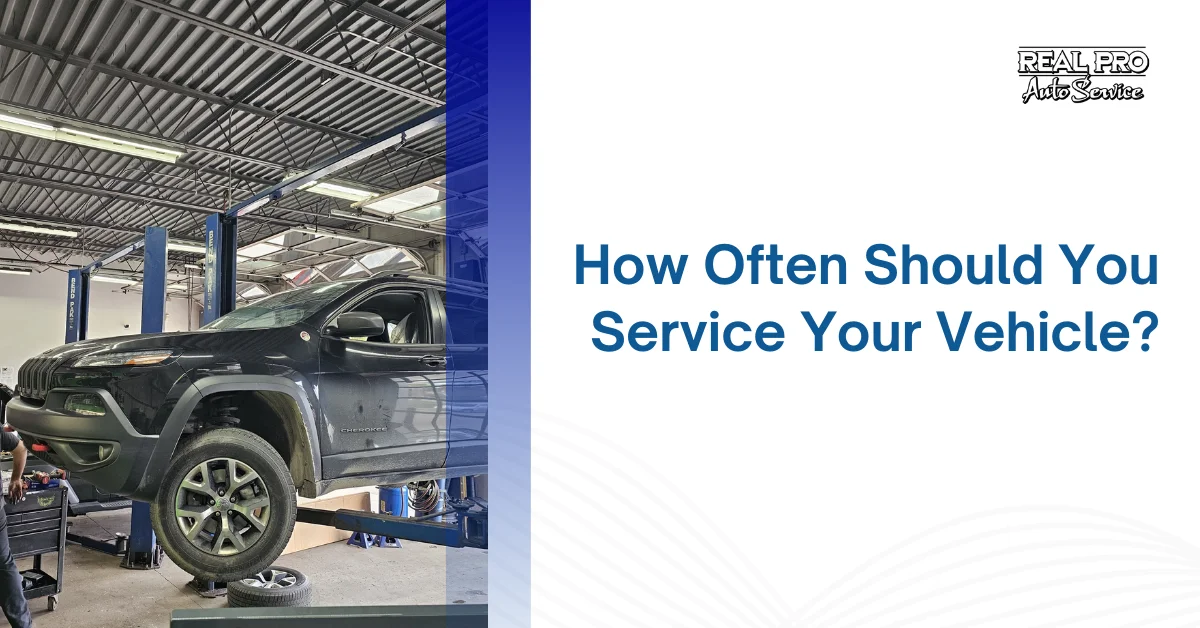
You should service your car about every 5,000 to 7,500 miles, but always double-check your owner’s manual since each car is different. Regular service—like oil changes, brake checks, and tire rotations—keeps your car running smoothly and helps you avoid expensive repairs later.

There are three main types of emission control systems in vehicles: the Positive Crankcase Ventilation (PCV) System, the Evaporative Emission Control (EVAP) System, and the Exhaust Gas Recirculation (EGR) System.

To diagnose overheating issues, start by checking your coolant levels and inspecting for leaks, particularly around the radiator and hoses. Make sure the radiator isn’t blocked and the water pump’s in good working order.