Signs Your Car’s Heater Core Is Failing
If your car’s heater core is failing, you’ll notice a sweet smell inside, which often means coolant is leaking. You might also see foggy windows and experience a cold cabin despite a hot engine.

On a cold day, your car’s heater is a welcome friend. But what happens when it starts blowing cold air, or you notice a strange, sweet smell in the cabin?
These could be signs that your heater core is failing. The heater core is a small radiator-like device that uses hot coolant from the engine to warm the air that blows through your vents.
When it goes bad, it can lead to a range of uncomfortable and potentially damaging issues.
Understanding the warning signs of a failing heater core is key to catching the problem early and avoiding a more complicated and expensive repair.
This guide will walk you through the most common symptoms, from foggy windows to a constantly low coolant level.

Have you noticed a sweet, syrupy smell in your car lately? If so, it might be a sign of a car heater core leak.
This odor usually comes from coolant leaking from the heater core, which can indicate a damaged heater core. You may also experience other symptoms, like a drop in coolant levels or a wet carpet in the passenger area.
If the heater core is compromised, it can lead to more serious issues, including overheating. Don’t ignore that sweet smell—it’s your car trying to tell you something’s wrong.
Addressing these damaged heater core symptoms early can save you from costly repairs down the line. Keep an eye out for that scent and get your vehicle checked!
When you notice foggy or frosty windows in your car, it can be more than just an annoyance; it may signal a failing heater core.
A faulty heater core can cause moisture to build up inside the cabin, leading to those frustrating foggy or frosty windows.
Here are some faulty heater core symptoms to watch for:
Stay alert for these signs to ensure a safe and clear driving experience!
If your engine feels hot but the cabin remains chilly, it’s a strong indication that your heater core might be malfunctioning. This is one of the common symptoms of heater core failure that you should watch for.
A properly functioning heater core circulates hot coolant from the engine, warming the air that enters your cabin.
When it’s not working, you won’t feel that warmth, even though the engine temperature gauge indicates everything’s fine.
Professional cooling system repair in our Grand Rapids shop can diagnose and fix heater core issues before they worsen.
Noticing that your vehicle is consuming coolant at an alarming rate can be a red flag for a failing heater core.
A faulty heater core can lead to significant issues, so it’s crucial to keep an eye on your coolant levels.
Here’s how you can tell if the heater core is bad:
Address these signs as soon as possible to avoid further damage.
Experiencing cold air blowing from your car’s vents, especially during colder months, can signal a failing heater core.
This is one of the key failing heater core symptoms you should watch out for. When the heater core goes bad, it can’t effectively transfer heat from the engine coolant to warm the air that enters your cabin.
Instead, you’re left shivering as icy air blasts through the vents. You might also notice other issues, like a sweet smell from leaking coolant or foggy windows, which can indicate fluid leaks.
If you’re facing this problem, it’s essential to address it promptly to avoid further damage to your heating system and guarantee your comfort while driving.
To prevent your heater core from failing, you should regularly check and maintain your coolant levels, flush the cooling system as recommended, and address leaks or overheating issues promptly. Staying proactive can save you costly repairs later.
Replacing a heater core’s like pulling a stubborn weed; it takes effort and costs about $1,000 to $1,500.
Don’t let costs surprise you, though—investing now saves you from bigger issues later.
Yes, a failing heater core can cause engine overheating. It disrupts coolant flow, leading to inadequate cooling for the engine.
Understanding why overheating could signal a radiator problem helps you identify cooling system issues early.
Replacing a heater core typically takes about 4 to 8 hours, depending on your vehicle’s make and model. It’s best to consult a professional to guarantee it’s done accurately and efficiently for your car.
When it comes to DIY troubleshooting, you might wonder if you can tackle this issue yourself.
Start by checking for leaks, inspecting hoses, and testing the heater’s temperature. These steps can help reveal potential problems before seeking professional assistance.
The very first sign of a bad heater core is often a distinct, sweet smell inside your car’s cabin. This odor is the smell of engine coolant (antifreeze), and it means the heater core is likely leaking.
The heater core is located inside the dashboard, so even a small leak will release coolant vapor into the ventilation system, which you’ll then smell through the vents.
You might also notice a slimy film on the inside of your windshield, which is caused by the same coolant vapor condensing on the glass.
Another early symptom is constantly foggy windows that are difficult to clear.
If you notice any of these signs, especially the sweet smell, it’s a strong indication that your heater core has a leak and needs to be inspected.
Whether you can drive with a bad heater core depends on the nature of the problem.
If the heater core is simply clogged and not producing heat, you can technically still drive the car, although you’ll be without heat and a functioning defroster, which can be a safety issue in cold or wet weather.
However, if the heater core is leaking, it’s a more serious problem. A coolant leak, even a small one, will eventually lead to low coolant levels in the engine.
This can cause the engine to overheat, which can result in severe and pricey damage, like a warped cylinder head or a blown head gasket.
For this reason, if you suspect your heater core is leaking, it is not recommended to drive the car until it has been repaired.
Your car’s heater core is a small part that plays a significant role in both your comfort and your vehicle’s overall health.
Paying attention to the warning signs of a failure—like a sweet smell, foggy windows, or a lack of heat—is crucial. A leaking heater core is not a problem to ignore, as it can lead to engine overheating and significant damage.
If you suspect an issue, it’s always best to have it checked out by a professional. A timely repair can save you from a much bigger headache and ensure you stay warm and safe on the road, no matter the weather.
A reliable heater is a must for enjoying all that a Pure Michigan winter has to offer in Wyoming, MI.
Whether you’re dealing with a faulty heater in the winter or need reliable AC repair in Grand Rapids in the summer, keeping your car’s climate control system in top shape is essential.
If your car’s heater core is failing, you’ll notice a sweet smell inside, which often means coolant is leaking. You might also see foggy windows and experience a cold cabin despite a hot engine.

To identify and fix leaks in your car’s cooling system, start by regularly checking coolant levels and looking for puddles beneath your vehicle. Inspect hoses and connections for cracks or damage, and listen for hissing sounds.
Your air conditioner isn’t cooling because something’s wrong—most often it’s low refrigerant, a bad compressor, clogged parts, electrical problems, or broken fans. These issues stop the system from blowing cold air, so that instead you get weak or warm air from the vents.
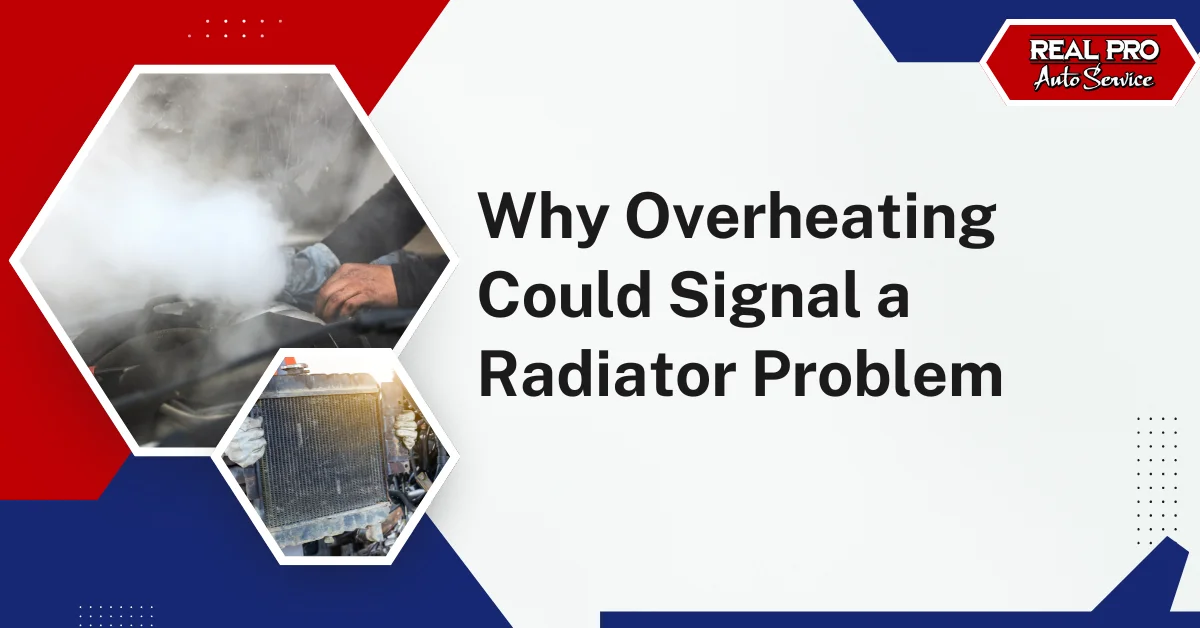
Overheating usually signals a problem with your vehicle’s radiator, which regulates engine temperature. If the radiator leaks, clogs, or has a faulty cap, it can’t properly circulate coolant, leading to increased engine heat.

To check and refill your engine coolant, first, make sure the engine is cool. Wear gloves and safety glasses, then inspect the coolant level in the reservoir.

To get rid of unpleasant odors in your car, start by sprinkling baking soda on seats and floor mats, then vacuum it up after a few hours. An ozone generator can effectively neutralize stubborn smells, but make sure to air out your car afterward.