How Regular Fluid Service Keeps Your Transmission Healthy
Your car’s transmission is one of its most complex and expensive components. Yet, many drivers overlook the simple maintenance that keeps it healthy.
Transmission fluid is the lifeblood of this system, responsible for lubricating moving parts, cooling the unit, and enabling smooth gear shifts.
Over time, this fluid breaks down and collects contaminants, losing its ability to protect the transmission effectively. Ignoring this crucial service can lead to overheating, gear slippage, and eventually, catastrophic failure.
The good news is that regular fluid service is a straightforward and affordable way to prevent these issues.
By staying on top of this maintenance, you can extend the life of your transmission, improve your car’s performance, and avoid a repair bill that could cost you thousands.
This guide explains why transmission fluid is crucial and how to maintain it in optimal condition.
Key Takeaways
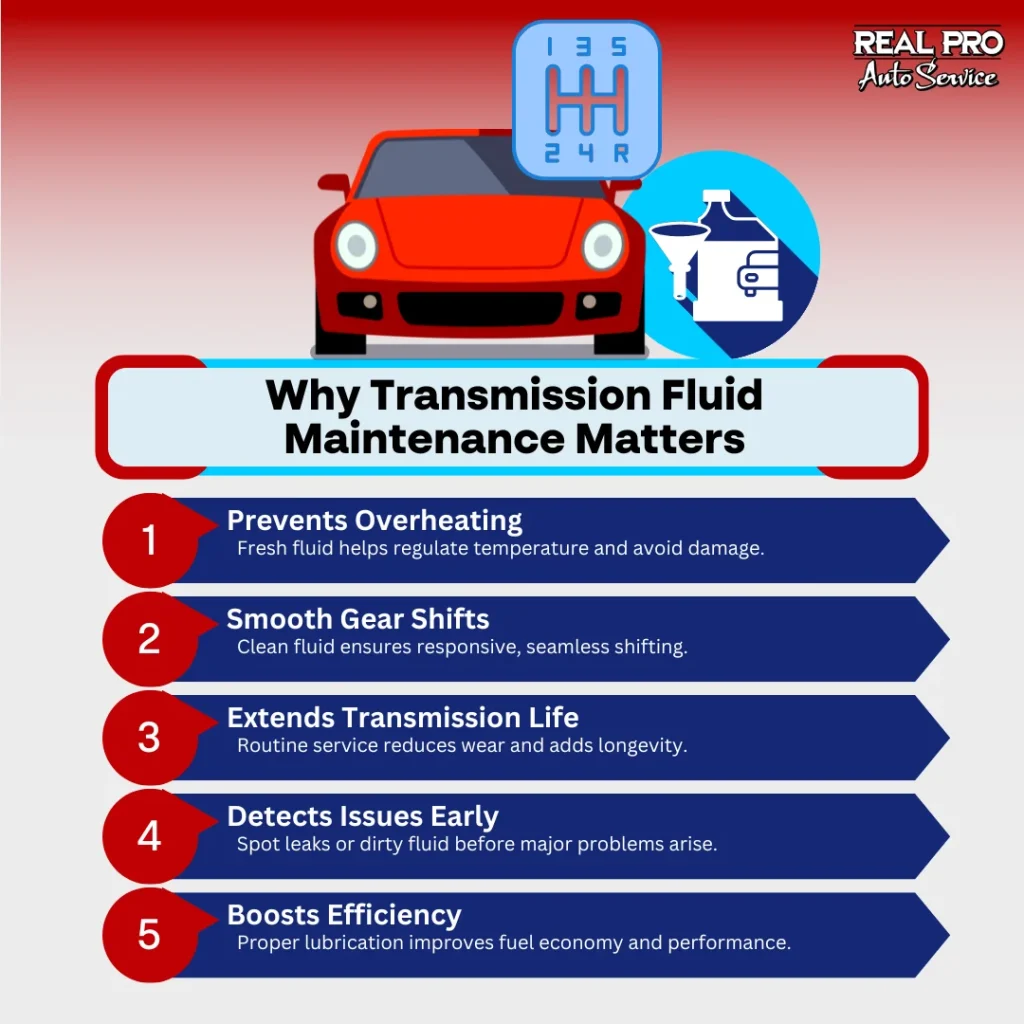
- Regular fluid service ensures optimal lubrication, reducing friction and wear on transmission components for better performance.
- Fresh transmission fluid prevents overheating, maintains safe operating temperatures, and avoids potential damage.
- Routine checks identify leaks or contamination early, allowing for timely repairs and preventing escalation of issues.
- Consistent fluid changes enhance gear shifting responsiveness, providing a smoother driving experience.
- Maintaining proper fluid levels and condition extends the lifespan of your transmission, saving money on costly repairs.
Why Transmission Fluid Matters More Than You Think
Transmission fluid plays an essential role in keeping your vehicle running smoothly, as it lubricates and cools the transmission components. If the fluid is old or low, you risk significant damage that can lead to costly repairs.
Understanding the importance of maintaining your transmission fluid can save you time and money in the long run.
What transmission fluid does for your vehicle
Every vehicle relies on a complex system to function smoothly, and transmission fluid is an essential part of that equation. It lubricates the moving parts of your transmission, ensuring they operate effectively while reducing friction.
Additionally, transmission fluid helps maintain ideal temperature levels, preventing overheating that could lead to serious issues.
The importance of clean transmission fluid can’t be overstated; dirty fluid can cause gears to slip, resulting in delayed shifting and decreased performance.
Regular fluid service keeps your transmission functioning at its best, allowing for smooth gear changes and extending the lifespan of your vehicle.
By prioritizing clean transmission fluid, you’re investing in the reliability and efficiency of your ride. Don’t overlook this critical component!
How old or low fluid leads to major damage
Neglecting your vehicle’s transmission fluid can lead to significant problems down the line. When fluid gets old or low, it loses its ability to lubricate and protect your transmission effectively.
This can result in severe damage, including:
- Overheating due to insufficient lubrication
- Slippage or erratic shifting
- Increased wear and tear on transmission components
Ignoring the recommended transmission fluid change interval can exacerbate these issues.
Regularly checking and replacing your fluid guarantees your transmission operates smoothly and lasts longer.
Don’t wait for warning signs; prioritize your vehicle’s health by staying on top of fluid maintenance.
Your transmission deserves the best care to keep it running efficiently and to avoid costly repairs down the road.
Signs Your Transmission Fluid Needs Attention
It’s essential to recognize when your transmission fluid needs attention. You may notice slipping gears, unusual noises, or even a burnt smell emanating from your transmission.
Don’t ignore dashboard warning lights; they could be your car’s way of telling you something’s wrong.
Slipping gears or delayed shifting
When you notice your vehicle slipping gears or experiencing delayed shifting, it’s a clear sign that your transmission fluid might need immediate attention.
Ignoring these shifting problems can lead to more significant issues down the road. Here are some key indicators you should watch for:
- Low fluid levels
- Gritty or contaminated fluid
- Unexplained engine revving
If you find yourself grappling with these signs, it’s essential to check your fluid levels and condition.
Dirty or low fluid can cause your transmission to struggle, leading to further complications.
Regular maintenance not only addresses these issues but also helps maintain peak performance.
Don’t wait until it’s too late; keep your transmission healthy by ensuring your fluid is in top shape.
Strange noises or burnt fluid smell
Strange noises or a burnt fluid smell are warning signs that your transmission fluid needs attention.
If you hear grinding, whining, or clunking sounds while driving, it could indicate that your transmission is struggling due to inadequate lubrication.
These burnt transmission fluid symptoms usually suggest that the fluid has degraded, losing its effectiveness.
Additionally, if you notice a strong, acrid odor, it’s a clear indication that your fluid is overheating and potentially burning. Ignoring these signs can lead to serious transmission issues and costly repairs.
To keep your vehicle running smoothly, it’s important to address these symptoms promptly.
Regular fluid checks and changes can help prevent further damage and guarantee your transmission remains in good condition.
Dashboard warning lights you shouldn’t ignore
Have you ever noticed a warning light on your dashboard that just wouldn’t go away?
When it comes to your transmission, certain dashboard warning lights you shouldn’t ignore can signal potential issues, especially signs of low transmission fluid.
Addressing these warnings promptly can save you from costly repairs down the line.
- Transmission Fluid Temperature Light: Indicates overheating fluid and potential damage.
- Check Engine Light: Could signify various issues, including transmission problems.
- Transmission Fluid Warning Light: Directly points to low fluid levels or leaks.
If any of these lights illuminate, don’t hesitate to have your vehicle checked.
Ignoring them could lead to severe transmission issues, so stay proactive about your car’s health!
How Often Should You Change Your Transmission Fluid?
When it comes to changing your transmission fluid, it’s essential to take into account both manufacturer recommendations and your actual driving habits.
Suppose you frequently drive in severe conditions, such as stop-and-go traffic or extreme temperatures. You may need to change your fluid more regularly.
Knowing the proper intervals can help keep your transmission running smoothly.
Manufacturer recommendations vs. real-world driving
While manufacturer recommendations for transmission fluid changes often provide a solid baseline, real-world driving conditions can considerably alter how frequently you should actually perform this maintenance.
Factors such as your driving habits and environment can lead to different fluid needs than what’s outlined in the manual.
Consider these points:
- Stop-and-go traffic: Frequent shifting can wear out the fluid faster.
- Towing or heavy loads: This puts extra strain on your transmission.
- Extreme temperatures: Hot or cold weather can impact fluid performance.
When severe driving conditions call for more frequent service
If you often find yourself maneuvering through heavy traffic, towing loads, or driving in extreme temperatures, you may need to change your transmission fluid more frequently than the standard recommendations suggest. These severe driving conditions put additional strain on your transmission, leading to fluid breakdown and potential damage.
To guarantee your vehicle runs smoothly, consider this preventative transmission care essential. Instead of waiting for the typical intervals, monitor your fluid’s condition and look for signs of discoloration or a burnt smell.
Regular checks can help you determine when it’s time for a change.
By staying proactive, you’ll not only extend your transmission’s lifespan but also maintain your vehicle’s overall performance.
Benefits of Routine Transmission Fluid Service
Routine transmission fluid service offers you several key benefits that can keep your vehicle running smoothly. It not only extends the lifespan of your transmission but also enhances performance and fuel efficiency.
Plus, staying on top of fluid changes can help you avoid costly repairs down the road.
Extends transmission lifespan
Maintaining your transmission’s health is crucial, as it directly influences its overall lifespan.
Regular fluid service helps to extend transmission lifespan by guaranteeing that the fluid remains clean and effective. This proactive approach can prevent costly repairs and enhance your vehicle’s reliability.
Here are a few key reasons to prioritize routine fluid service:
- Reduces wear and tear: Clean fluid minimizes friction, protecting essential components.
- Prevents overheating: Proper fluid levels help manage heat, avoiding damage to the system.
- Enhances lubrication: Fresh fluid guarantees smooth operation, keeping everything running efficiently.
Improves performance and fuel efficiency
Regular fluid service not only extends your transmission’s lifespan but also significantly improves its performance and fuel efficiency.
When you keep your transmission fluid fresh and clean, it helps the system operate smoothly, reducing friction and wear. This means your vehicle can shift gears more effectively, leading to a more responsive driving experience.
Additionally, a well-maintained transmission often consumes less fuel, as it doesn’t have to work as hard to perform its functions.
One of the key benefits of transmission service is this enhanced efficiency, which can save you money at the pump. By prioritizing routine fluid changes, you’re investing in your vehicle’s overall health and ensuring it runs at its best for years to come.
Prevents costly repairs down the road
When you prioritize fluid service for your transmission, you’re not just enhancing performance; you’re also preventing costly repairs down the line.
Regular automatic transmission maintenance helps identify minor issues before they escalate, saving you both time and money.
Here are some key benefits of staying proactive:
- Early detection: Catching leaks or wear before they become serious problems.
- Extended lifespan: Keeping your transmission running smoothly for years to come.
- Improved reliability: Reducing the risk of unexpected breakdowns.
If you’re experiencing transmission issues or need professional service, consider scheduling transmission repair at our Grand Rapids shop to ensure your vehicle receives expert care.
Protect Your Transmission with Real Pro Auto Service
To keep your transmission in top shape, it’s essential to schedule a fluid check or full service regularly.
You can trust Kalamazoo’s ASE-certified technicians to provide honest advice and maintenance that prioritizes your safety.
Taking these steps will help protect your vehicle and enhance its longevity.
Schedule a transmission fluid check or full service
Scheduling a transmission fluid check or full service is essential for maintaining the health of your vehicle’s transmission.
Regular checks help identify issues early, ensuring smooth operation and longevity.
But what’s the difference between a fluid flush and a fluid change? Here’s why you should prioritize this service:
- Prevents Overheating: Clean fluid keeps your transmission cool and functioning well.
- Enhances Performance: Fresh fluid improves shifting and overall responsiveness.
- Extends Lifespan: Regular maintenance can prevent costly repairs down the line.
Don’t wait for problems to arise. Schedule a transmission fluid check or full service today to protect your investment and keep your vehicle running smoothly.
Trust Kalamazoo’s ASE-certified technicians
Keeping your transmission in top shape requires more than just regular fluid checks; it demands expertise. That’s why trusting Kalamazoo’s ASE-certified technicians is essential.
These professionals have the training and experience needed to perform a thorough manual transmission fluid service, ensuring your vehicle operates smoothly. They understand the intricacies of different transmission systems and can identify potential issues before they escalate into costly repairs.
By relying on their knowledge, you’ll get reliable service tailored to your vehicle’s specific needs.
Plus, their commitment to quality means you can drive with confidence, knowing your transmission is in good hands.
Don’t compromise on your vehicle’s health; let Kalamazoo’s experts keep your transmission running strong.
Get honest advice and maintenance that puts your safety first
When it comes to maintaining your transmission, getting honest advice and maintenance is vital for your safety.
A well-maintained transmission not only guarantees your vehicle runs smoothly but also protects you on the road. Regular gearbox lubrication is essential for maintaining the health and efficiency of your transmission.
Here are some ways to make sure you receive excellent service:
- Expert diagnostics: Trust professionals who understand the intricacies of your transmission system.
- Quality fluids: Use high-quality lubricants that meet your vehicle’s specifications.
- Transparent pricing: Know what you’re paying for without hidden fees or surprises.
Frequently Asked Questions
Can I Use Any Type of Transmission Fluid for My Vehicle?
You can’t just use any type of transmission fluid for your vehicle. Each car requires specific fluid based on its design and specifications.
Always check your owner’s manual to verify you’re using the right one.
What Happens if I Ignore Low Transmission Fluid Levels?
If you ignore low transmission fluid levels, you risk severe damage to your vehicle. The transmission could overheat, leading to costly repairs.
You might also experience shifting issues, making your vehicle less reliable and harder to drive safely.
How Do I Check My Transmission Fluid Level?
Consider your transmission fluid the vital force of your vehicle. To verify the fluid level, locate the dipstick under the hood, remove it, clean it thoroughly, replace it, and inspect the level for precision.
Is It Necessary to Flush the Transmission Fluid?
Yes, it’s necessary to flush your transmission fluid periodically. Over time, contaminants build up, reducing effectiveness.
Flushing helps maintain smooth shifting and extends the lifespan of your transmission, ensuring a reliable driving experience.
Can Transmission Fluid Service Improve My Vehicle’s Performance?
Yes, getting your transmission fluid serviced can improve your vehicle’s performance. Fresh fluid guarantees smoother shifting, enhances responsiveness, and reduces wear on components.
Regular maintenance helps maintain peak function, ultimately extending the life of your transmission.
How do I know if my transmission fluid is bad?
You can often determine if your transmission fluid is contaminated by checking its color and odor.
Healthy transmission fluid is typically bright red and has a slightly sweet smell. As it ages and breaks down, it will turn a dark brown or even black color and may have a burnt toast odor.
You can check the fluid by pulling out the transmission dipstick, wiping it clean, reinserting it, and then pulling it out again to inspect the fluid. If the fluid appears dark, gritty, or smells burnt, it is a clear sign that it needs to be changed.
Other indicators of bad fluid include difficulty shifting gears, slipping out of gear, or unusual noises coming from the transmission.
If you notice any of these signs, it is best to have your vehicle inspected by a professional.
What are the benefits of a transmission flush?
A transmission flush is a service that replaces nearly all of the old, degraded transmission fluid with new fluid.
Unlike a simple fluid change, which only drains a portion of the old fluid from the pan, a flush uses a machine to push out the old fluid from the torque converter and cooler lines as well. This process removes built-up sludge and contaminants that a standard drain-and-fill cannot.
The primary benefit of a flush is that it provides a complete fluid replacement, which helps restore the transmission to optimal performance. It can lead to smoother shifting, better cooling, and a longer lifespan for the transmission.
While a flush is more thorough, it is not always necessary for every vehicle.
For drivers in East Grand Rapids and surrounding communities, it is important to consult your owner’s manual or a trusted mechanic to determine if a flush is the right service for your car.
Conclusion
Regular transmission fluid service is a small investment that delivers significant returns in the form of a healthier, longer-lasting vehicle.
It is one of the most effective ways to protect your transmission from premature wear and tear, ensuring that your car shifts smoothly and reliably for years to come.
By now, you should have a clear understanding of why this maintenance is so crucial and what signs to look out for. Do not wait for problems to appear before you take action.
Proactive care is always the best approach. Check your fluid regularly, follow your manufacturer’s service recommendations, and consult a professional if you suspect an issue.
Taking these simple steps will help you avoid the stress and expense of a major transmission repair, keeping you on the road with confidence.
For professional transmission care, contact Real Pro Auto Service in Grand Rapids.